Earth Emotionsis a photographic exploration of the fragile and complex emotional relationship between the human body and the Earth, unfolding in two complementary chapters: Eutierria and Eco-Paralysis.
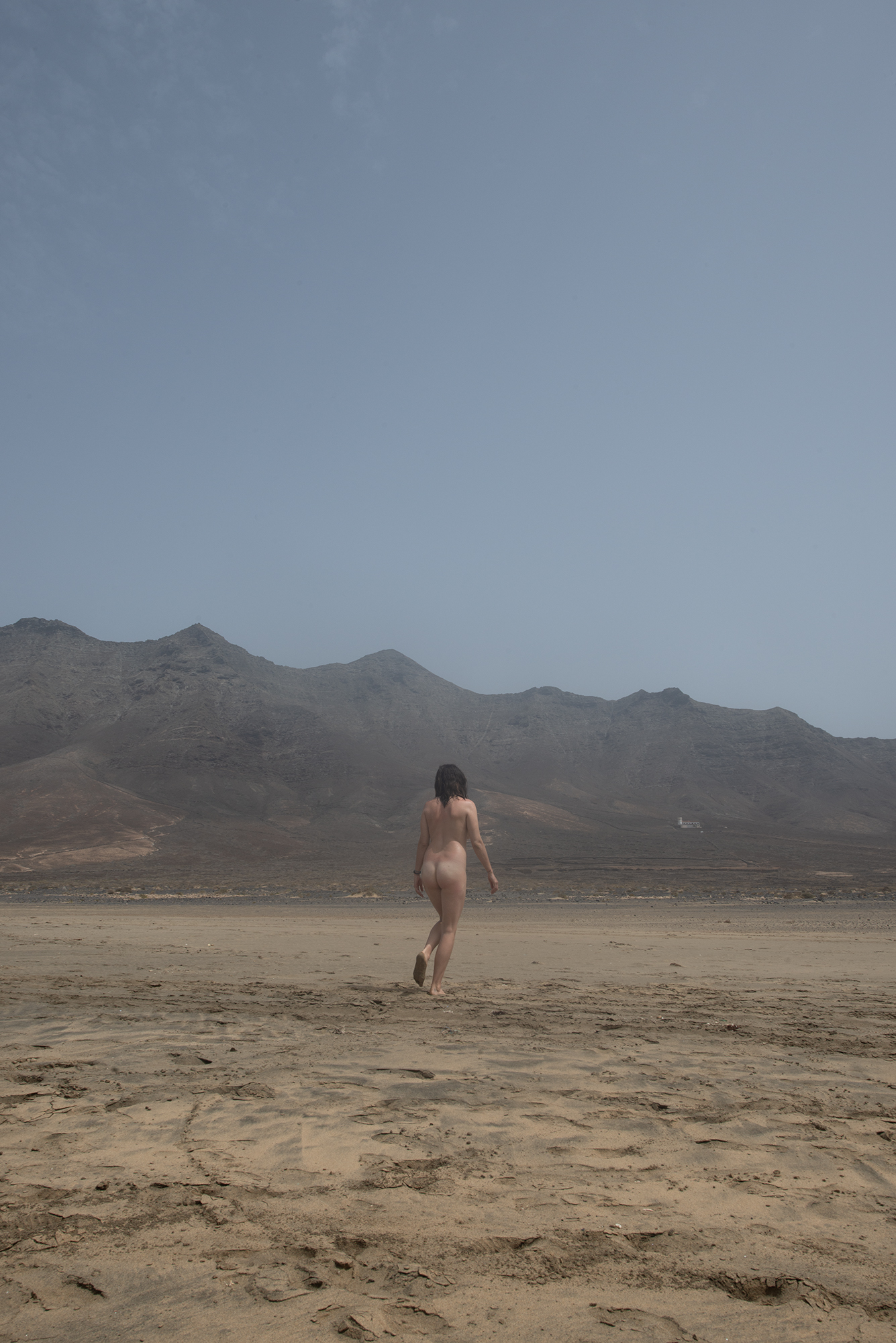
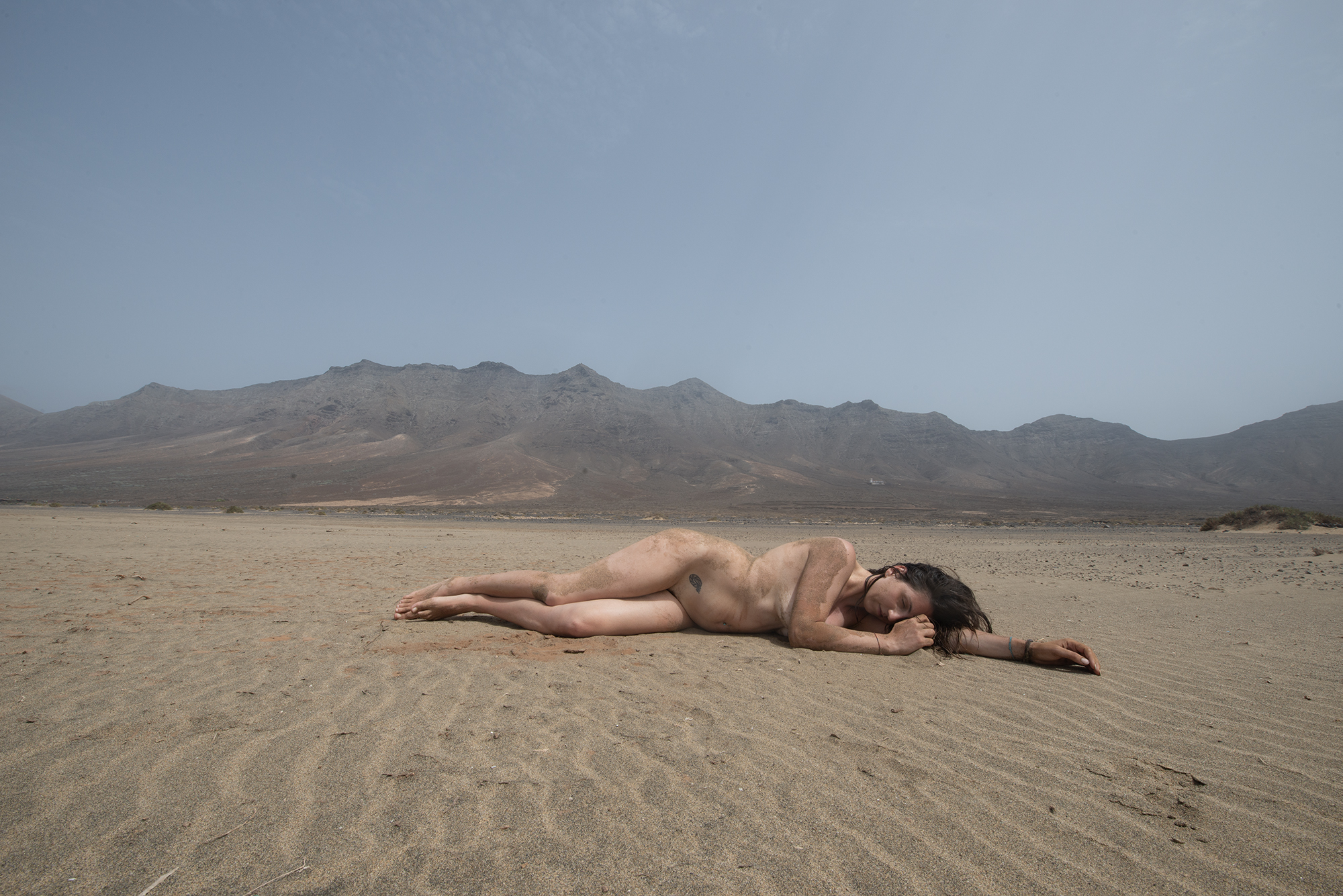
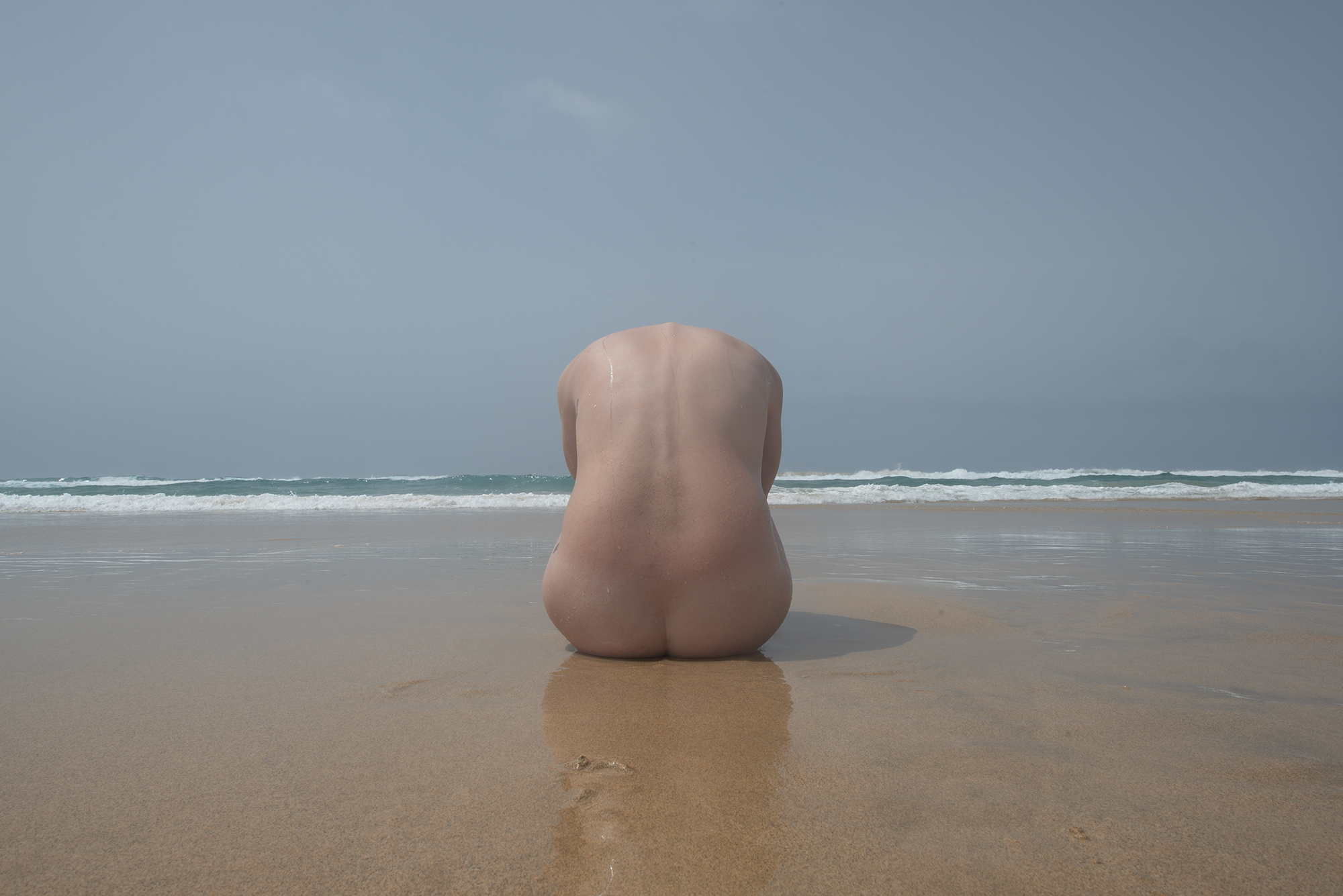
Eutierria, in a world shaped by eco-anxiety, is a photographic series made up mostly of self-portraits immersed in majestic natural landscapes. A naked body, revealing the fragility and vulnerability of the human being, explores and contemplates the landscape — eventually merging with it.
The arid terrain evokes a sense of the sublime, where one feels small in the face of nature’s vastness. The scorching sand offers a tactile sensation through the visual effect of the body lying on the ground, beginning to root itself and seek a new balance, pushing beyond the heat and discomfort of the surface.
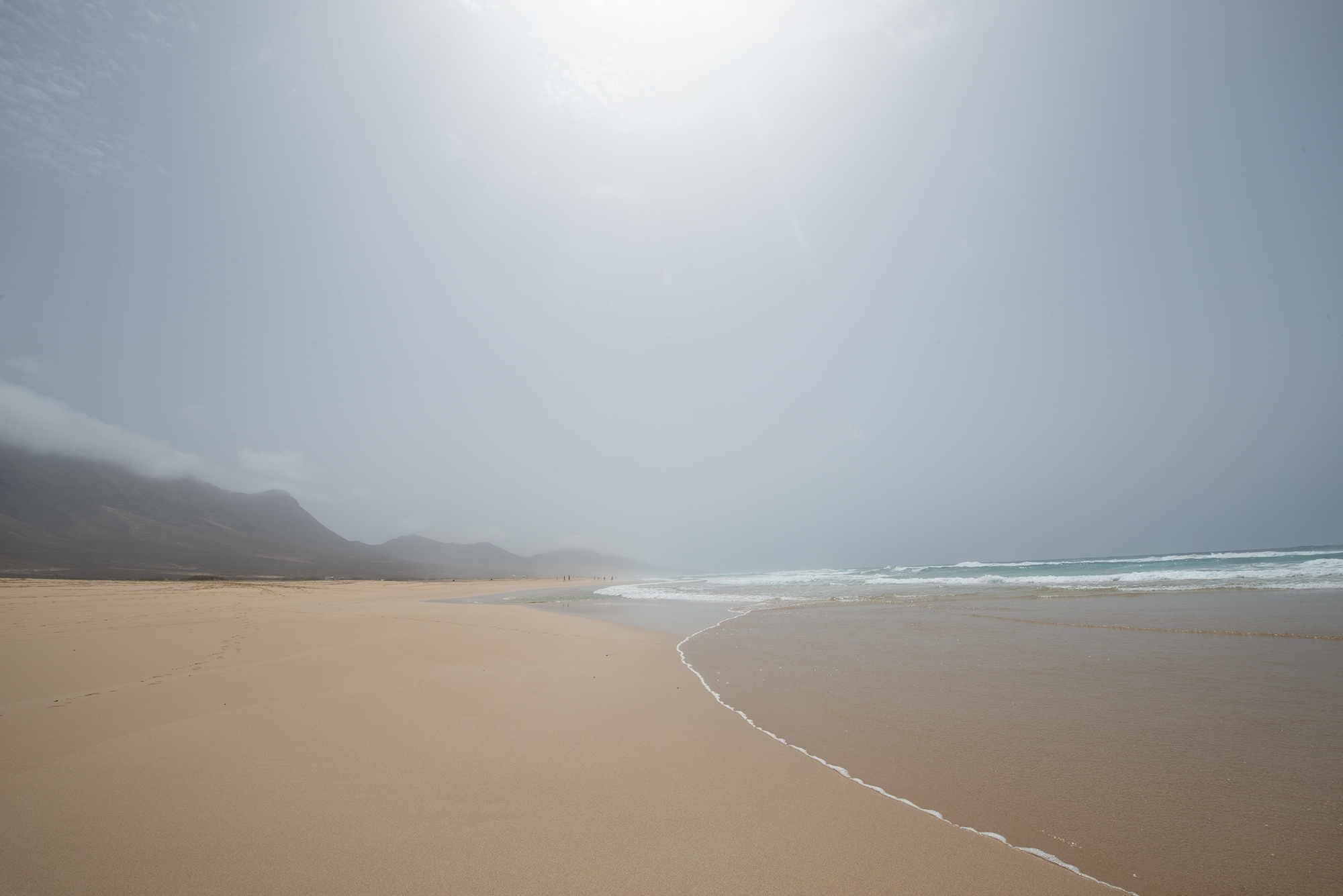
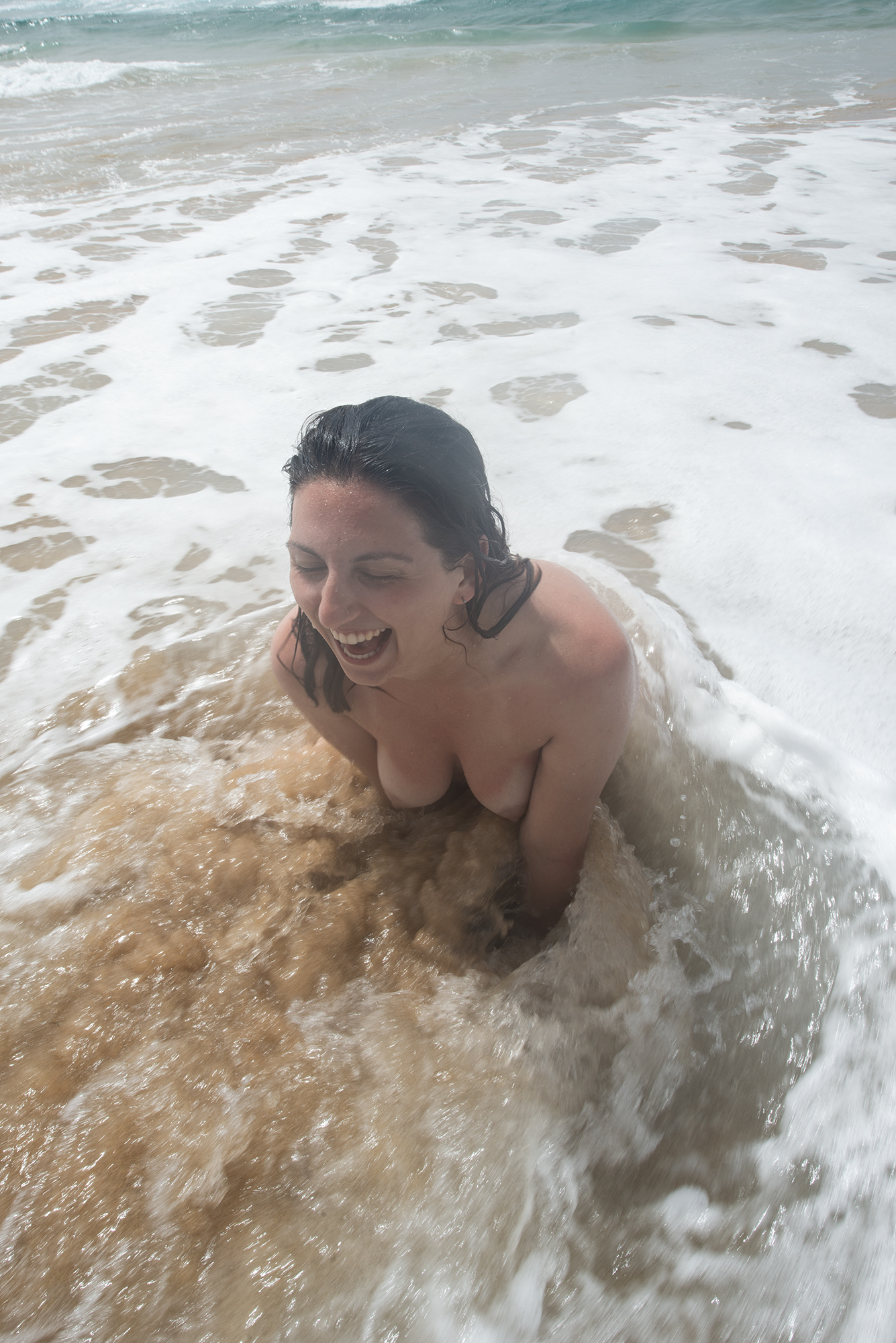
The term Eutierria, coined by Albrecht in 2011, describes a profound sense of belonging to the Earth — a state in which the boundaries between self and environment dissolve. Like the haze in the landscape that blurs the line between sky, mountain, and ground, this feeling culminates in a spontaneous, joyful smile in the final image of the series. Surrounded by the materiality of the landscape — in this case, the waves — that smile is not about escape, but presence: a grounded, interconnected joy.
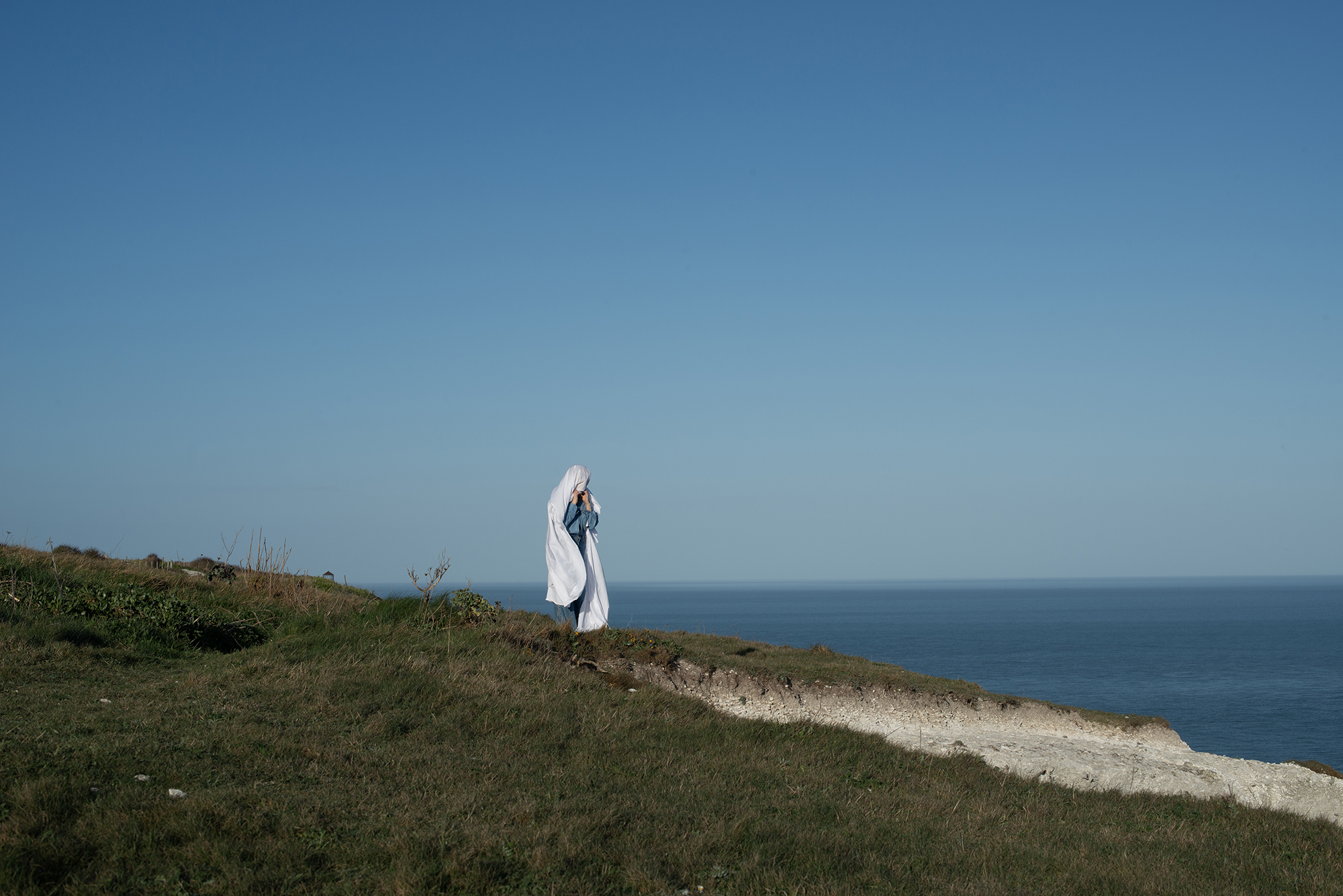
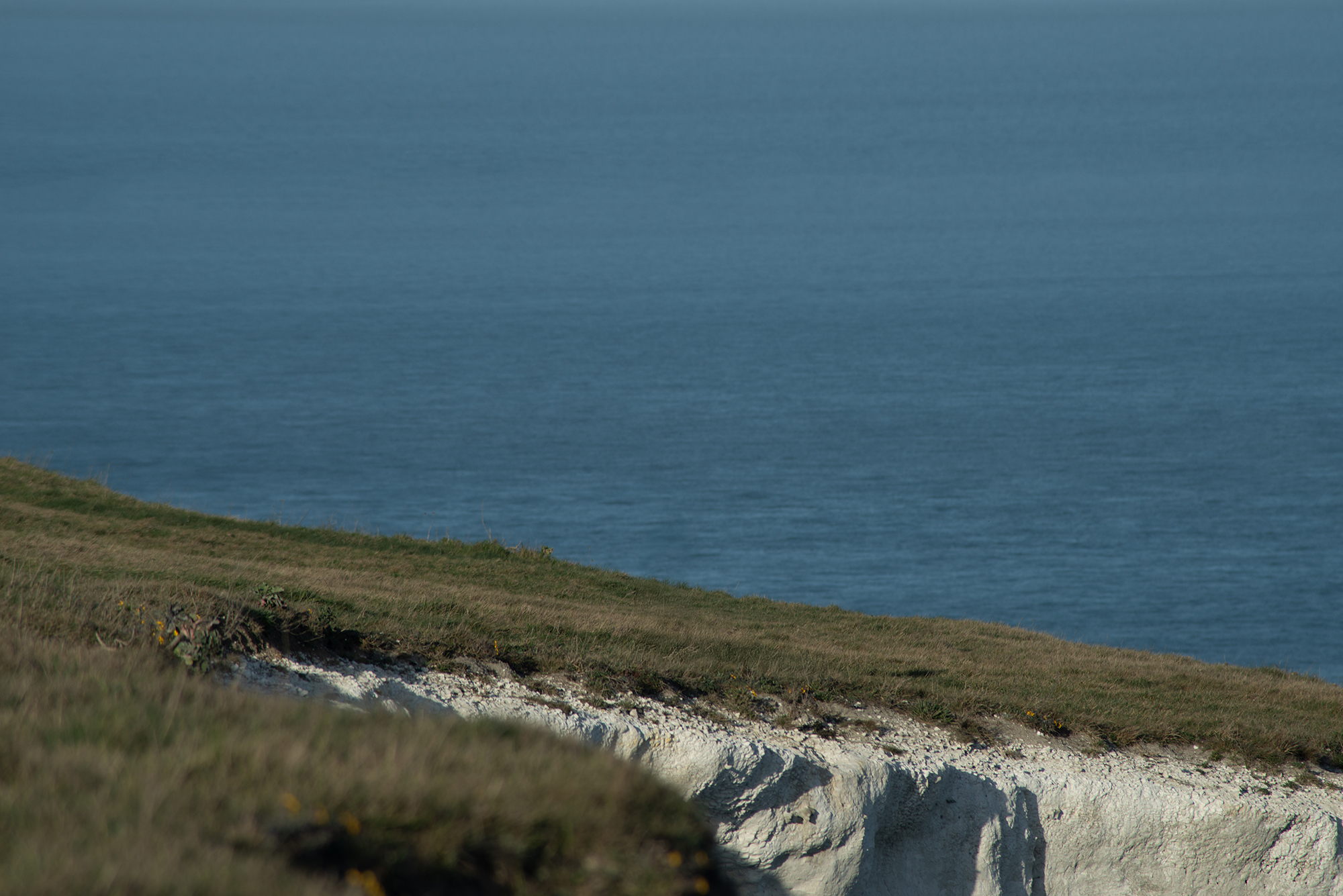
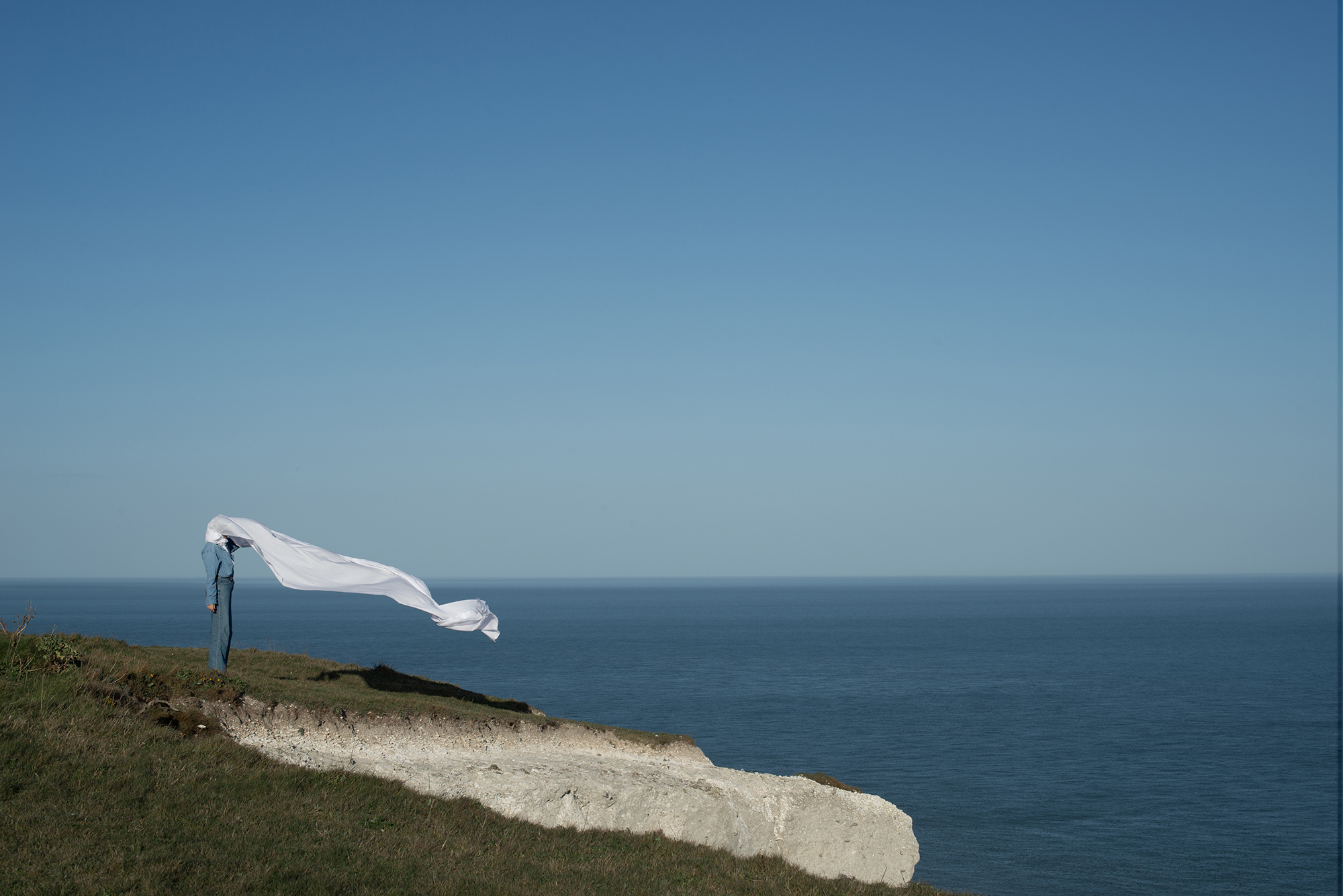
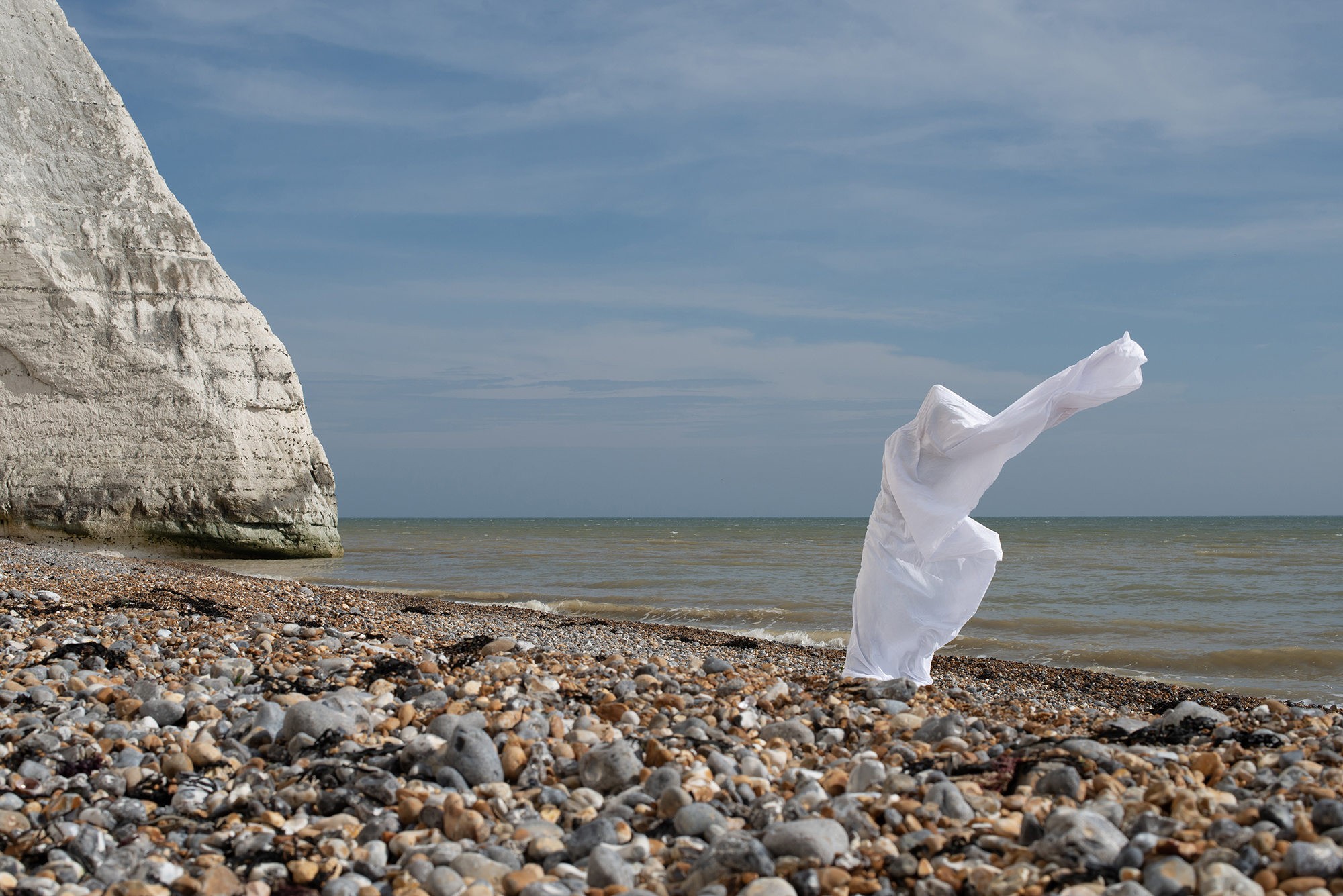
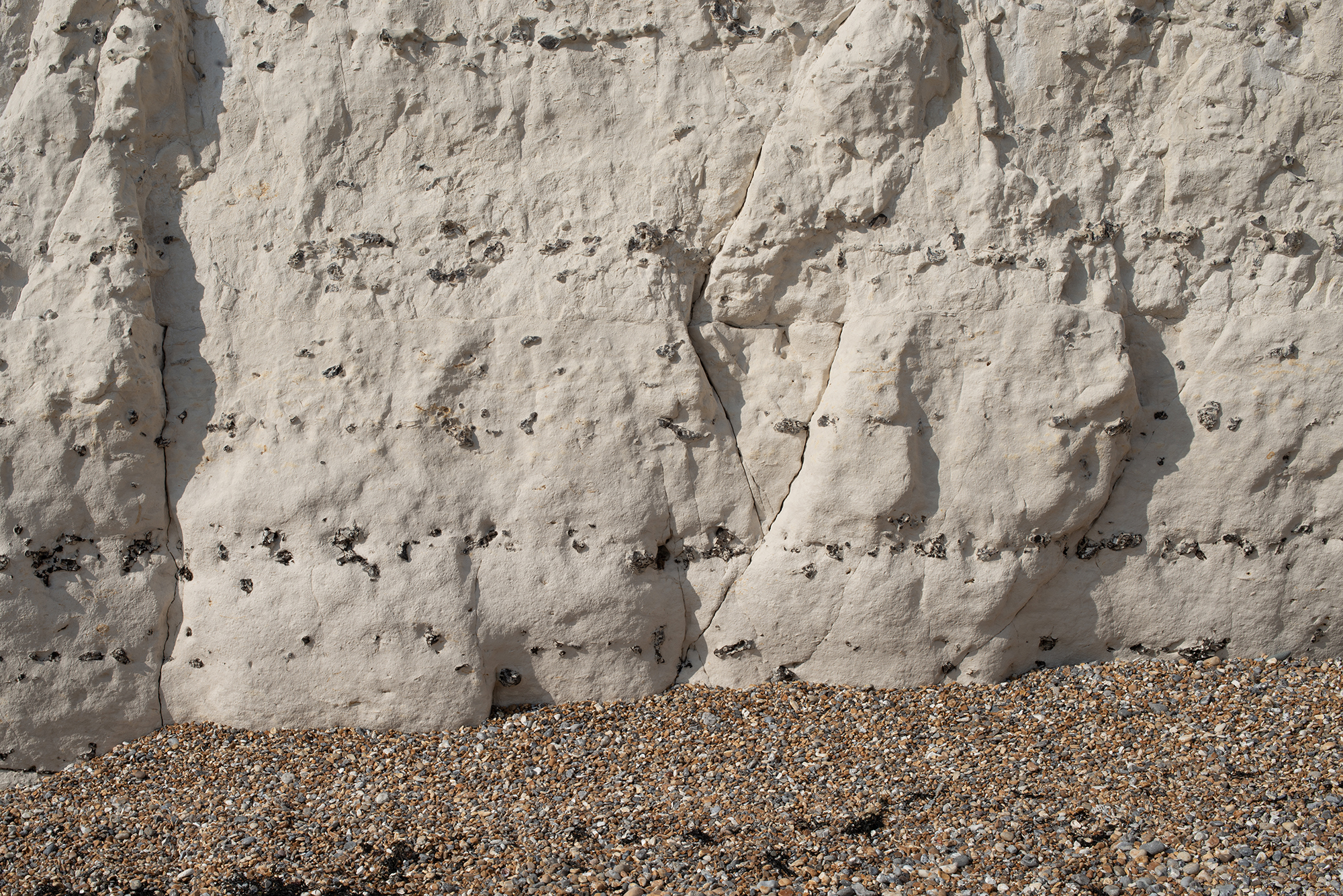
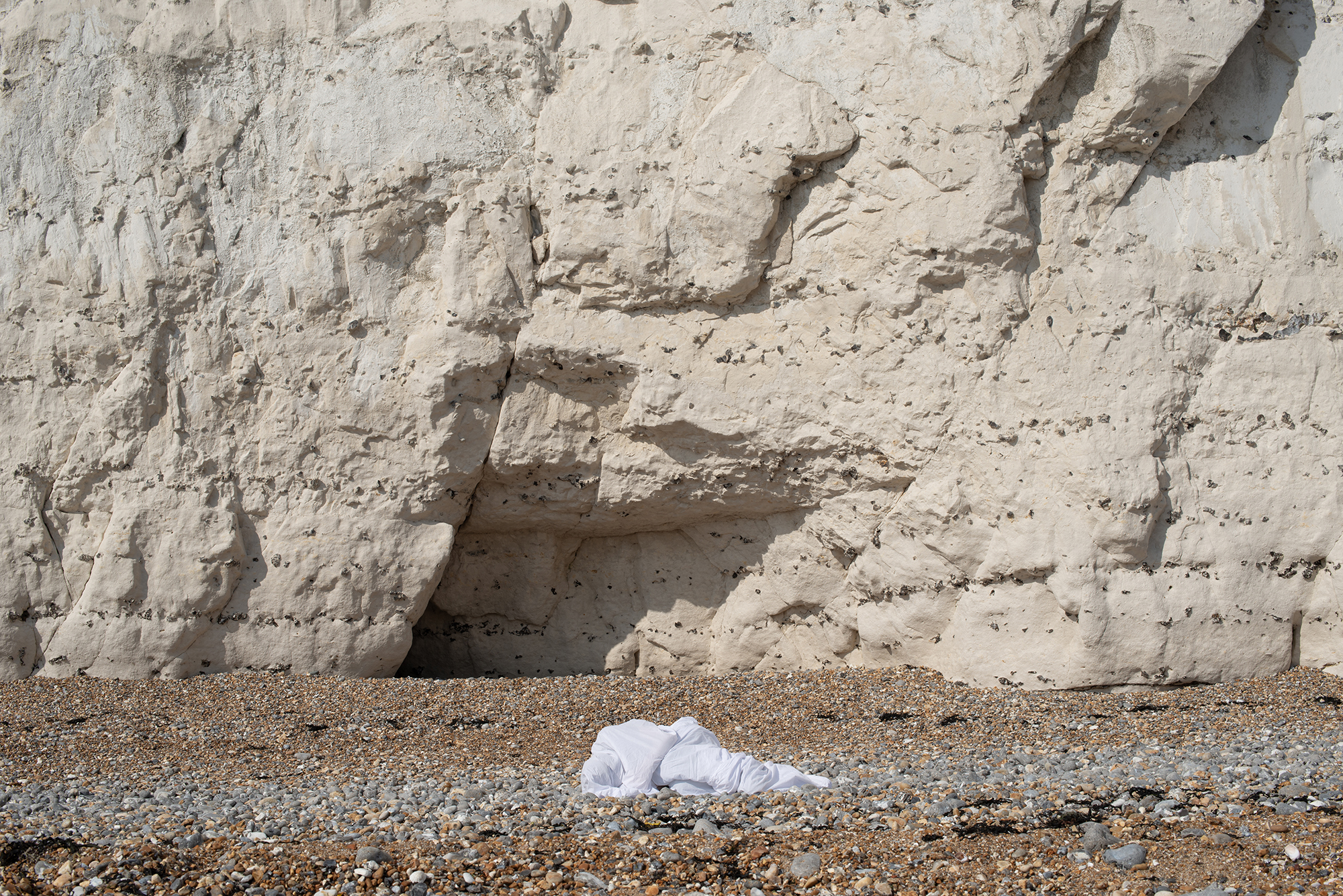
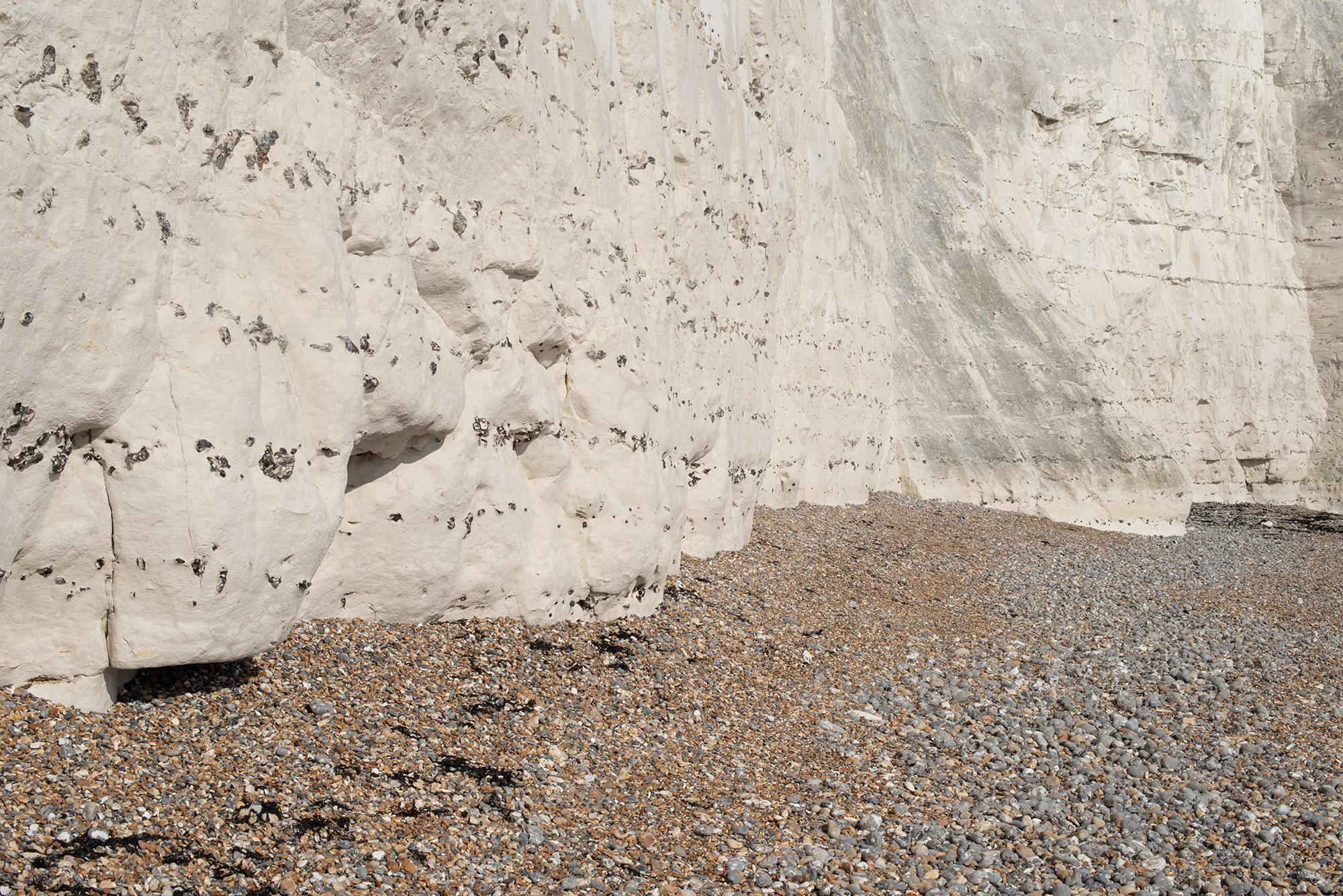
Eco-Paralysis is a photographic project that explores the psychological and emotional paralysis caused by the global climate crisis. The images echo this inner state, presenting majestic and seemingly untouched landscapes, traversed by an evanescent human presence: a veiled body, draped in a light white fabric that suggests fragility, inaction, and vulnerability. The veil becomes a central and deeply symbolic element. On one hand, it recalls the tradition of Italian Renaissance and Neoclassical sculpture, where transparent veils exalted the grace and purity of the body. On the other, it alludes to historical practices of censorship, when drapery or fig leaves were painted or sculpted to conceal nudity, seen as a threat to decorum. In this duality, the veil becomes a metaphor for contemporary self-censorship: the inability to act in the face of environmental emergency, a sense of powerlessness that renders one invisible. The photographic sequence suggests a gradual process of dissolution. In the initial images, the figure still stands, touched by a restrained wind, almost ready to move. But as the series unfolds, the human presence weakens, lies down, folds into itself, until it becomes a mere piece of fabric abandoned on the gravel — as if the body had vanished. It is both a poetic and brutal representation of self-erasure, of an individual overwhelmed by a crisis perceived as too vast and intangible. Within this silent and indifferent landscape, nature appears eternal, dominant, impassive in the face of human collapse. Its beauty remains intact, yet devoid of empathy: the contrast between the power of the environment and the fragility of the human figure intensifies the sense of paralysis, evoking a mute dialogue between what endures and what dissolves. Eco-Paralysis weaves together cultural references, visual symbolism, and an intimate reflection on the role of the human being in the context of climate breakdown. It is a work that speaks of absence, of invisible presence, of bodies that find neither space nor voice — and of an emotional urgency that remains suspended, silent,and yet profoundly shared.