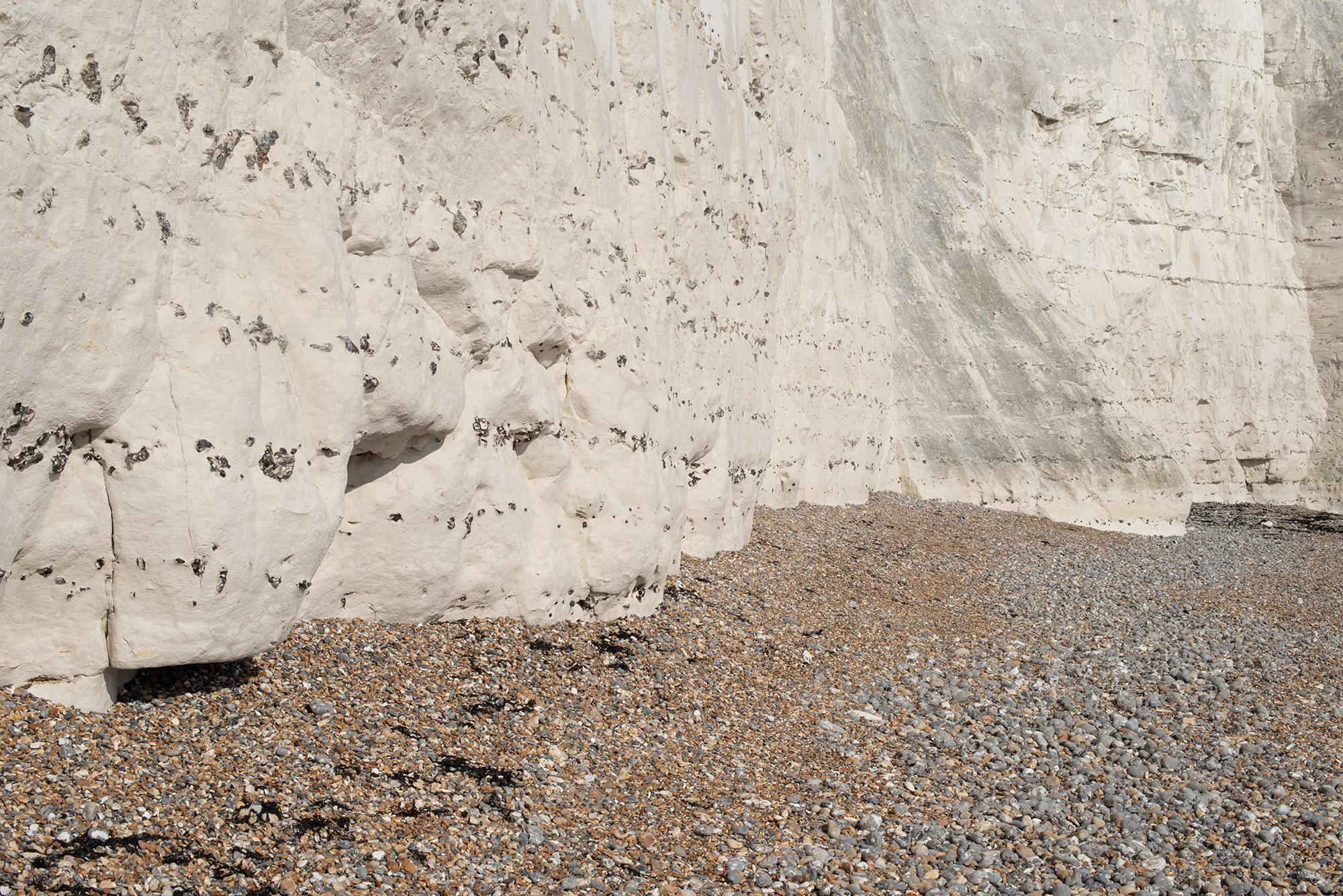
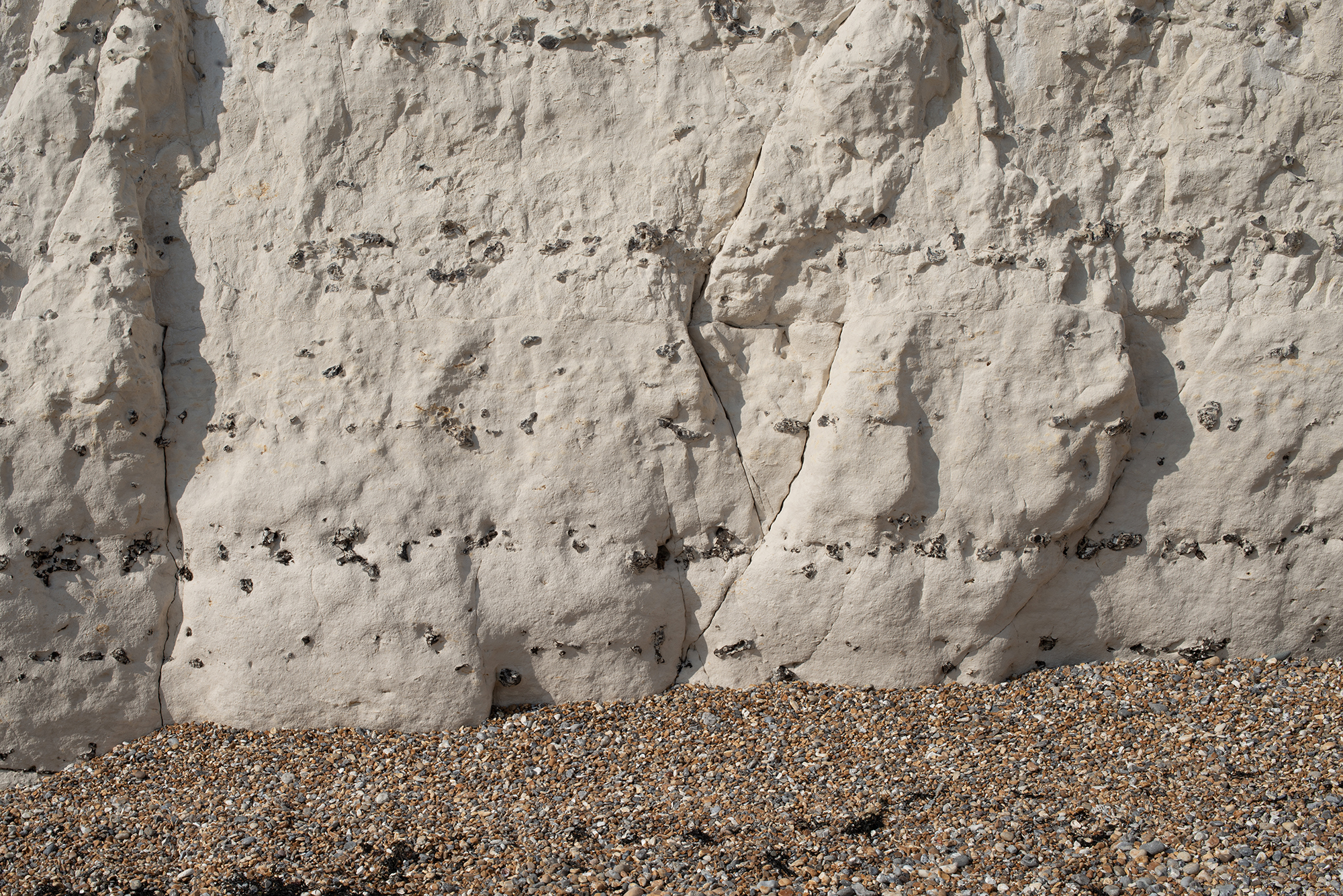
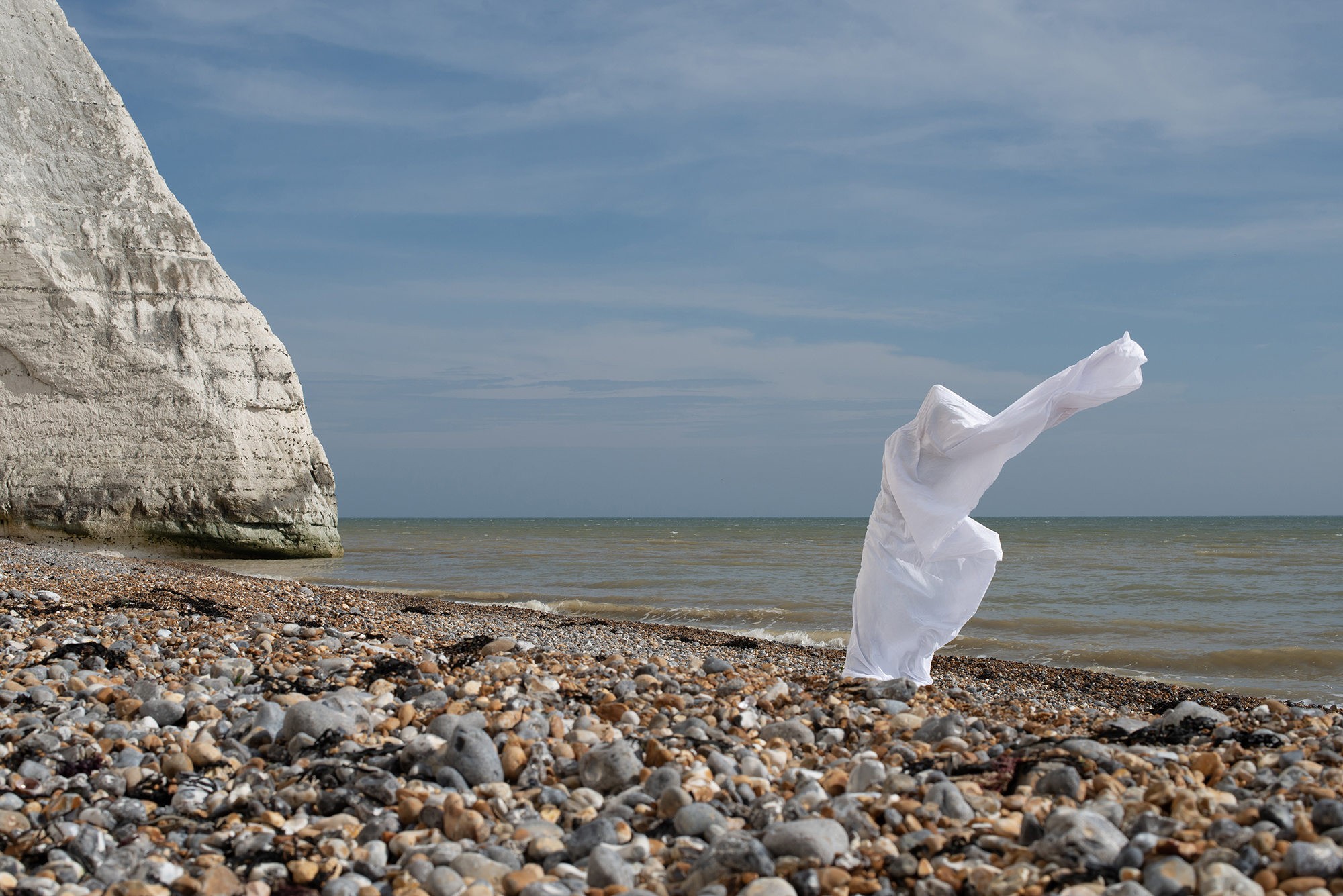
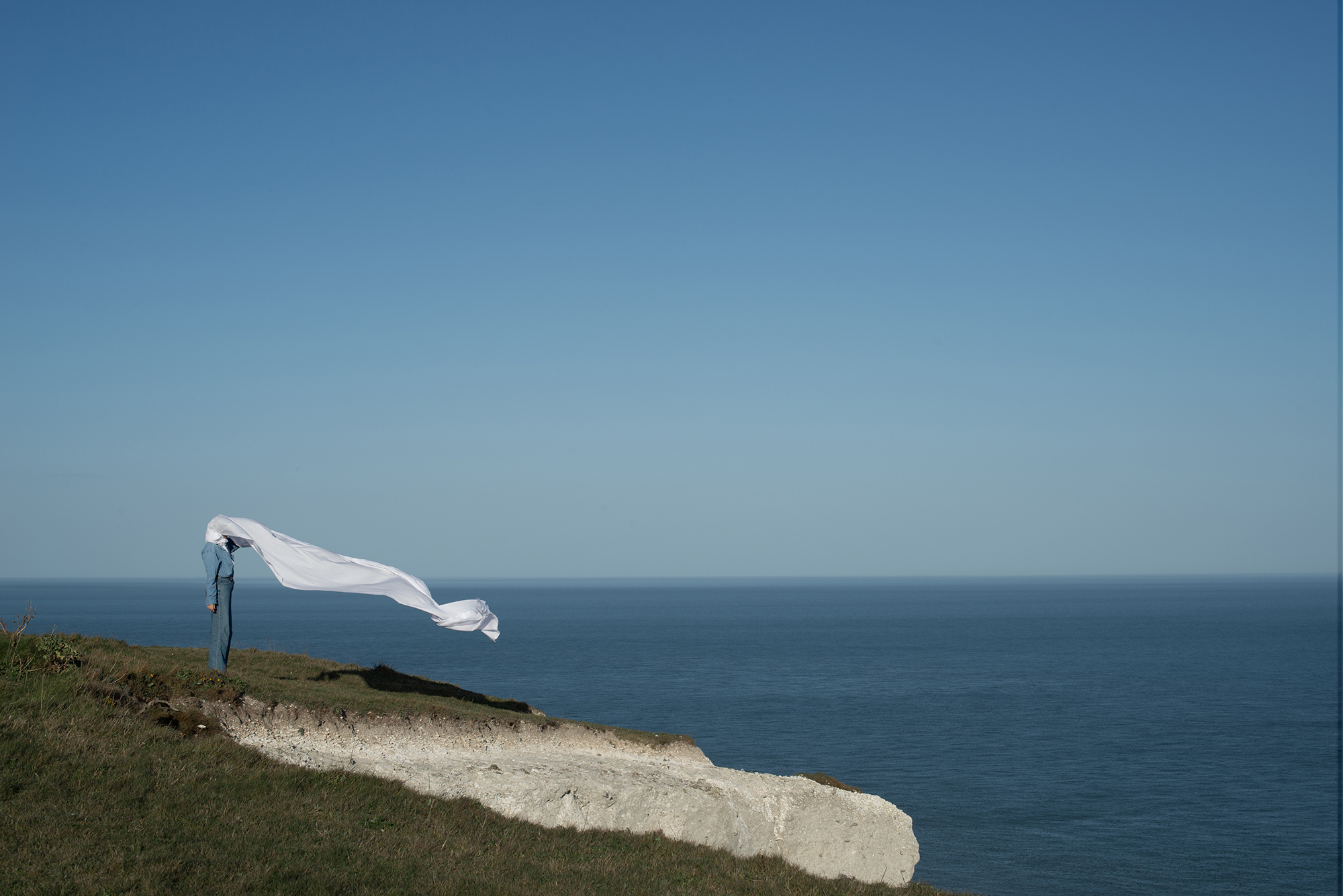
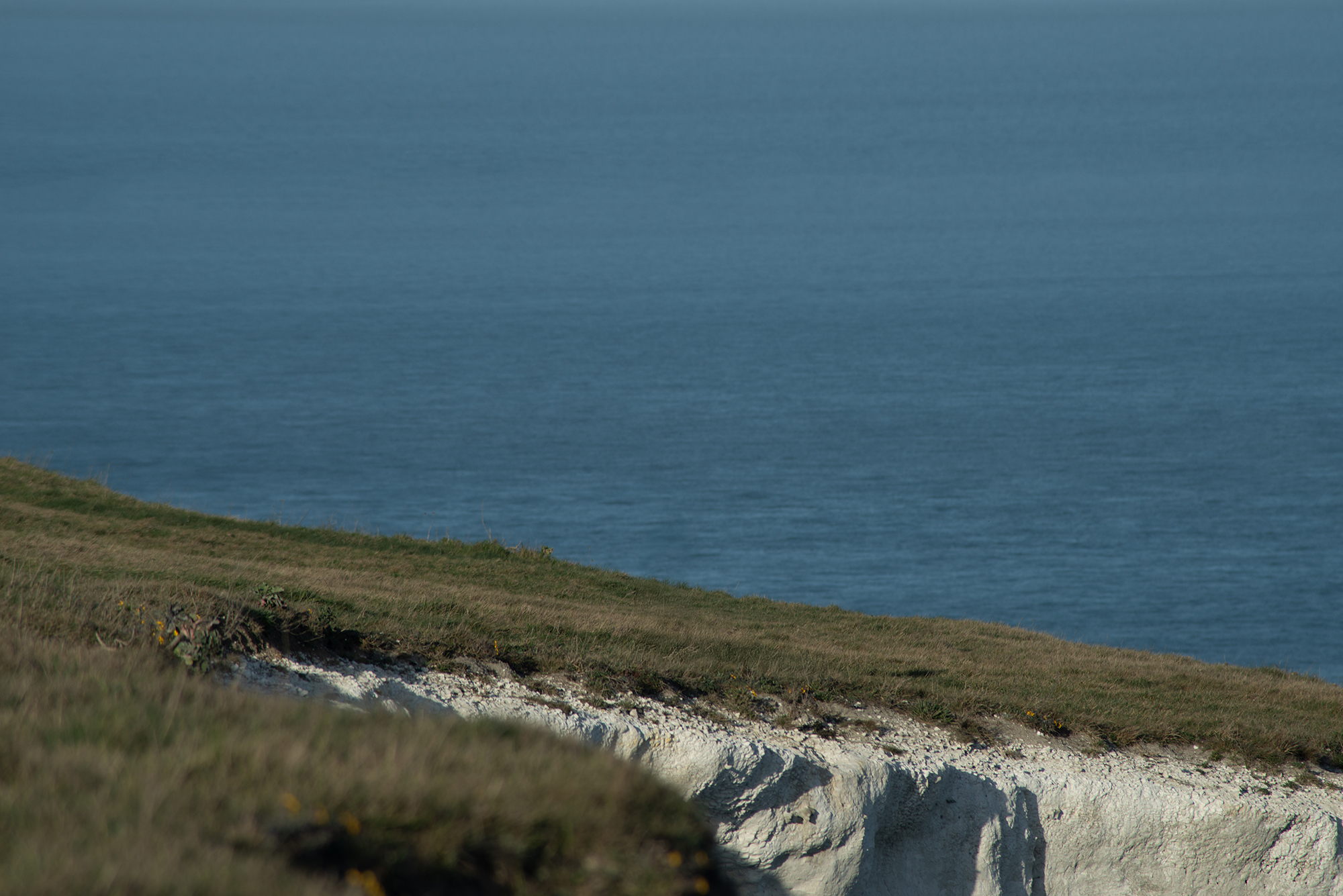
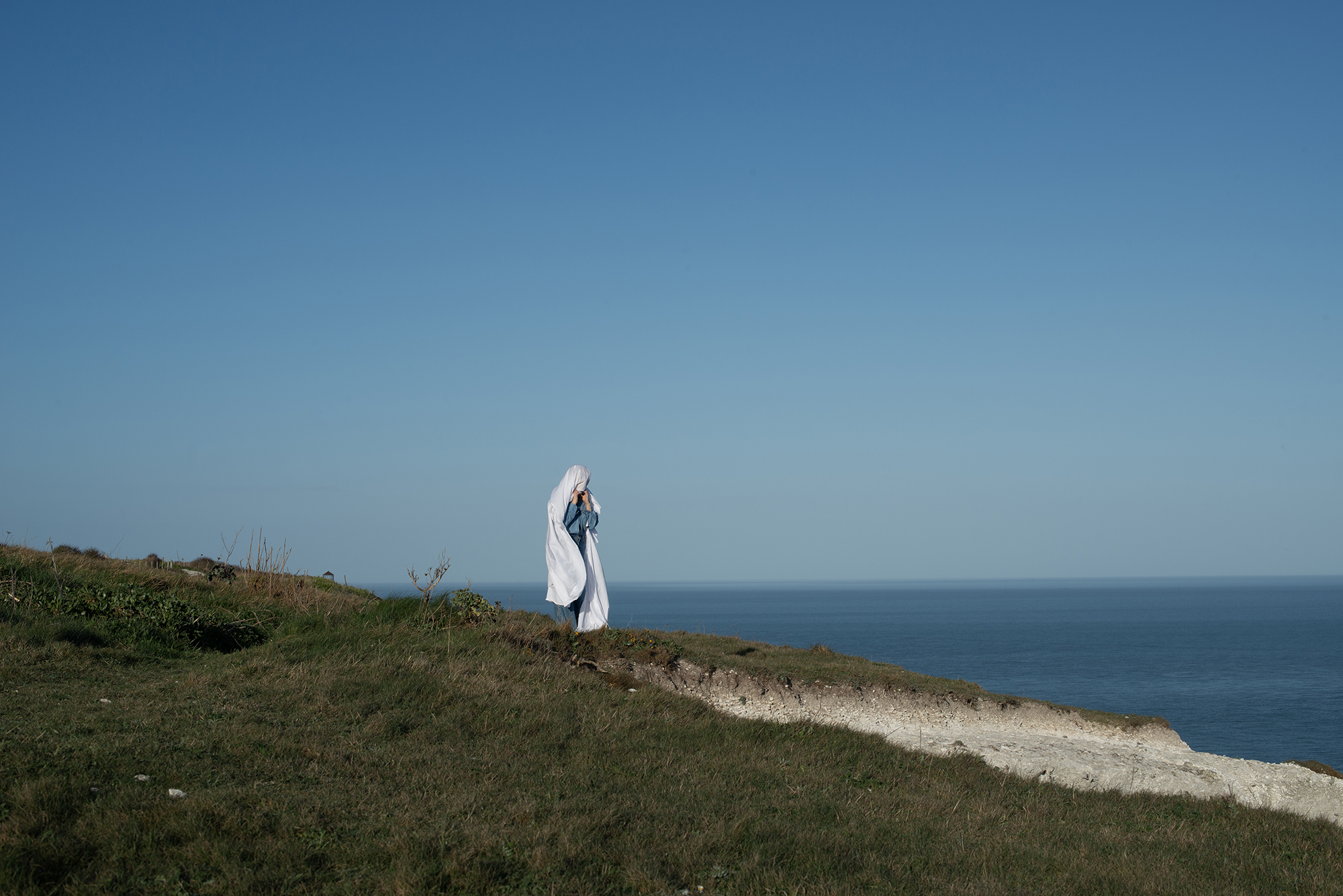
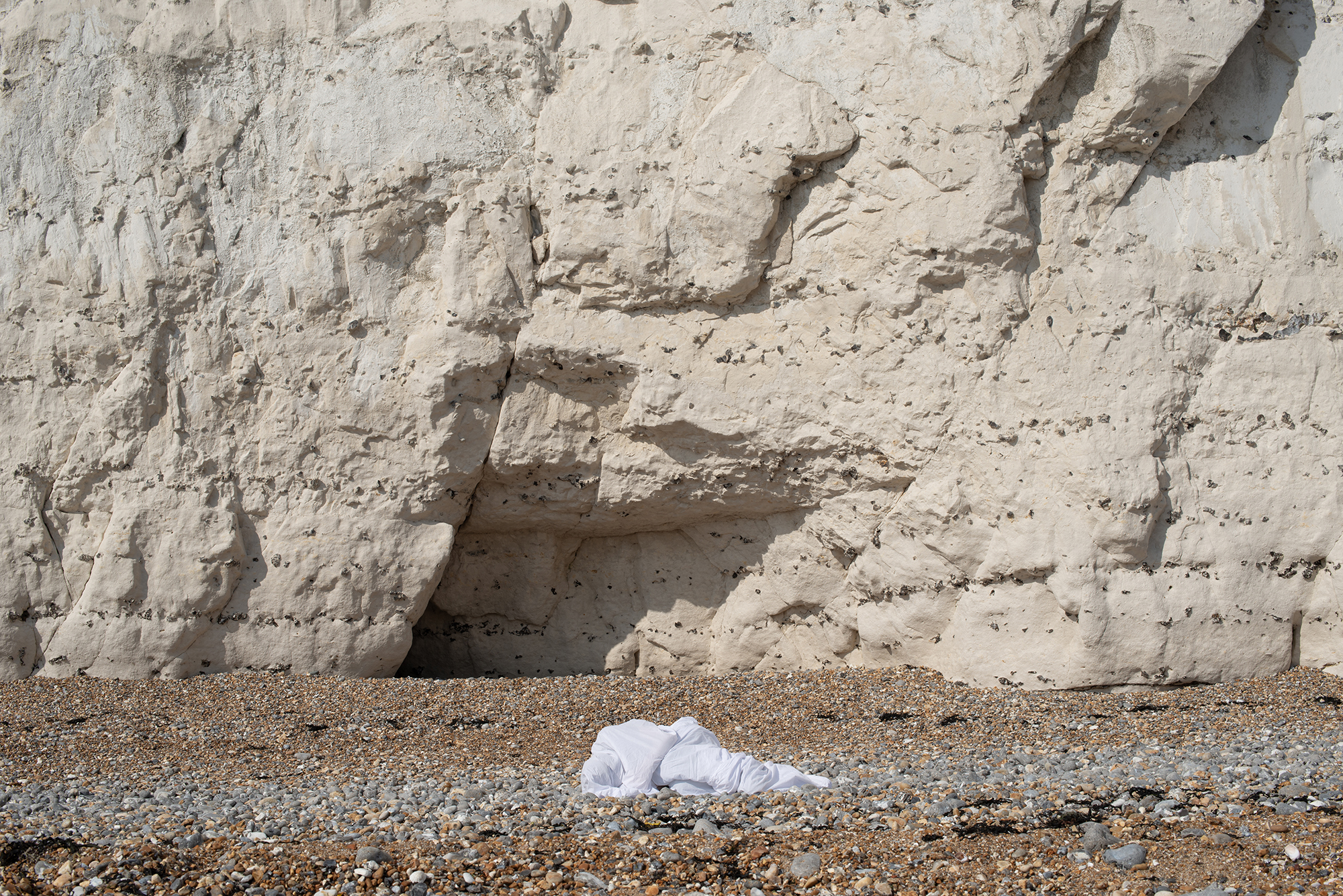
Presenting majestic and seemingly untouched landscapes, the series is traversed by an evanescent human presence — a veiled body, draped in light white fabric that evokes fragility, inaction, and vulnerability. The veil becomes a central and deeply symbolic element. On one hand, it recalls the tradition of Italian Renaissance and Neoclassical sculpture, where transparent veils exalted the grace and purity of the body. On the other, it alludes to historical practices of censorship, when drapery or fig leaves were painted or sculpted to conceal nudity, perceived as a threat to decorum. Within this duality, the veil transforms into a metaphor for contemporary self-censorship — the inability to act in the face of environmental emergency, a sense of powerlessness that renders one invisible. The photographic sequence suggests a gradual process of dissolution. In the initial images, the figure still stands, touched by a restrained wind, almost ready to move. But as the series unfolds, the human presence weakens, lies down, folds into itself, until it becomes a mere piece of fabric abandoned on the gravel — as if the body had vanished. It is both a poetic and brutal representation of self-erasure, of an individual overwhelmed by a crisis perceived as too vast and intangible. Within this silent and indifferent landscape, nature appears eternal — dominant, impassive in the face of human collapse. Its beauty remains intact, yet devoid of empathy. The contrast between the power of the environment and the fragility of the human figure amplifies the sense of paralysis, evoking a mute dialogue between what endures and what dissolves. Eco-Paralysis weaves together cultural references, visual symbolism, and an intimate reflection on the role of the human being within the context of climate breakdown.
It speaks of absence, of invisible presence, of bodies that find neither space nor voice — and of an emotional urgency that remains suspended, silent, and yet profoundly shared.